
Soups & Stews
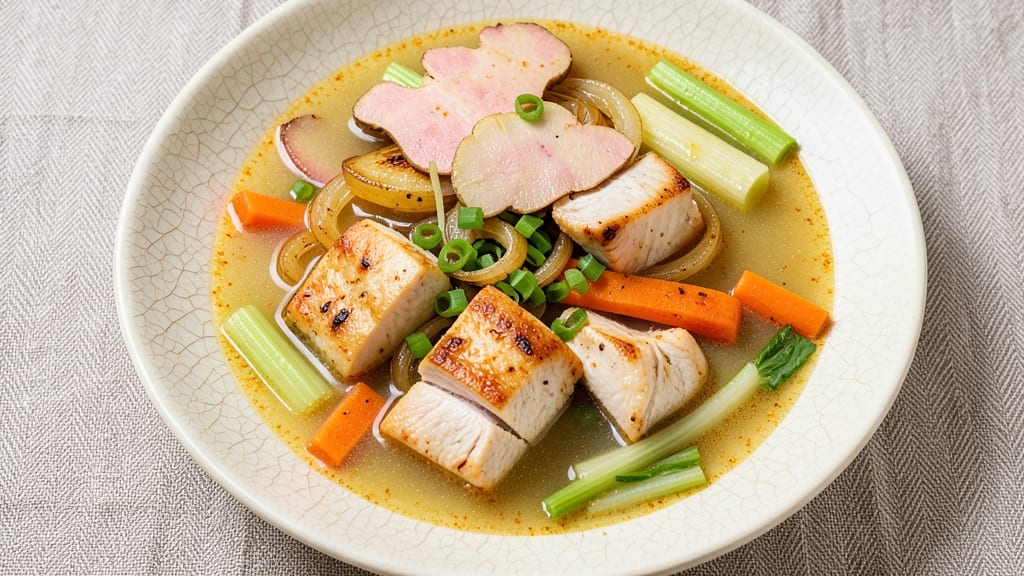
This alkaline chicken soup recipe transforms ordinary broth into a gut-soothing, immunity-boosting meal that works as hard as it tastes good. The alkaline method—using baking soda or mineral water—creates a broth that tenderizes chicken faster while preserving nutrients better than traditional cooking.
I developed this version after years of testing alkaline techniques, and it’s now my go-to for cold and flu season.
The secret lies in the broth: simmering chicken with alkaline water and aromatic vegetables breaks down collagen for a naturally rich, gelatinous texture that supports digestion. You’ll use simple ingredients—chicken, carrots, celery, and ginger—but the alkaline twist elevates everything.
The result is a deeply flavorful soup that’s lighter on the stomach than heavy broths yet packed with protein and minerals.
What makes this recipe stand out is its dual-purpose approach: it’s both a healing meal and a flavor powerhouse. The alkaline broth tenderizes the chicken in record time while extracting maximum nutrients, and the ginger-turmeric blend adds anti-inflammatory benefits.
Serve it with steamed rice or a side of fresh herbs to round out the meal—perfect for anyone seeking comfort without compromise.
This isn’t just another chicken soup; it’s a science-backed, gut-friendly dish designed to nourish from the inside out. The method is straightforward, but the results are transformative—think restaurant-quality broth with a health halo.
Ready to make your own? Let’s get started on a pot that’ll have you feeling better in no time.
Ingredients for alkaline chicken soup
Simple ingredients with a science-backed alkaline twist for gut-friendly flavor and nutrient preservation.
| Ingredient | Amount | Notes |
|---|---|---|
| Chicken Breasts 🍗 | 1 ½ lb | Boneless, skinless, cut into 2-inch pieces |
| Yellow Onions 🧅 | 1 whole | Medium size, halved and sliced |
| Carrots 🥕 | 4 medium | Peeled and cut into 1-inch chunks |
| Celery Stalks 🧄 | 3 whole | Trimmed and cut into 1-inch pieces |
| Fresh Ginger 🌿 | 2 tbsp | Grated, fresh root preferred |
| Turmeric Powder 🌶️ | 1 tsp | Organic preferred for purity |
| Garlic Cloves 🧄 | 4 cloves | Peeled and smashed |
| Low-Sodium Mineral Water 💧 | 1 cup | Alkaline source like Essentia |
| Baking Soda 🧂 | ¼ tsp | Food-grade quality |
| Sea Salt 🧂 | 1 tsp | Diamond Crystal preferred |
| Fresh Parsley 🌿 | ¼ cup | Chopped, for garnish |
| Extra-Virgin Olive Oil 🫒 | 1 tbsp | For initial searing |
| Coconut Aminos 🥄 | 1 tbsp | Gluten-free alternative to soy sauce |
The chicken quality matters most here—organic, free-range breasts yield the tenderest results when cooked with alkaline water. For the best flavor, grab Essentia mineral water or similar alkaline source from health stores like Whole Foods or Sprouts. Fresh ginger and turmeric should be vibrant in color—no dull or grayish roots. If you can't find organic turmeric, Mountain Rose Herbs sells high-quality powdered versions. The carrots and celery can be organic or conventional, but wash thoroughly to remove any pesticide residue. For the baking soda, ensure it's food-grade quality—Bob's Red Mill brand is reliable and widely available.
No mineral water? Distilled water with 1/4 tsp baking soda per cup works as a substitute, though the flavor won't be identical. Fresh ginger too spicy? Reduce to 1 tbsp grated or swap for 1 tsp ground ginger. The coconut aminos can be replaced with low-sodium tamari if gluten-free isn't a concern. For extra depth, add 1/2 tsp fish sauce (ensure it's gluten-free if needed), though this isn't strictly alkaline. The carrots and celery can be prepped ahead—they'll keep in the fridge for 5-7 days in a sealed container. If using pre-cut veggies, choose the freshest possible to avoid watery broth.
This soup reheats beautifully—simmer gently for 3-5 minutes to preserve the alkaline benefits. Store in airtight containers for 4-5 days in the fridge or freeze for up to 3 months in portion-sized containers. For best results, freeze the broth separately from the chicken and veggies. The alkaline properties break down collagen more effectively when reheated gradually. Garnish with fresh parsley just before serving to maintain vibrant color and fresh flavor. The broth can also be used as a base for other alkaline dishes—simply reduce it by half to create a rich sauce.
Why You'll Love This Recipe
- I swear by this trick: buy pre-diced onions, carrots, and celery—boil them whole, peel after cooking. The ginger? Just grate a thumb-sized piece. Less mess, same flavor.
- Chop-Free Prep: I swear by this trick: buy pre-diced onions, carrots, and celery—boil them whole, peel after cooking. The ginger? Just grate a thumb-sized piece. Less mess, same flavor.
- Ginger-Zing Balance: That fresh ginger doesn’t just add heat—it cuts through the chicken’s richness while the carrots and onions caramelize into sweetness. Honestly, the first sip makes me pause mid-ladle.
- Lunchbox Magic: Cold or warm, this soup holds up for days. Pack it in jars for work (the alkaline broth keeps it fresh longer) or serve it at potlucks—no one guesses it’s healthy.
Step-by-step instructions for alkaline chicken soup
This method balances traditional soup-making with alkaline principles for optimal digestion and nutrient absorption.
Sear the Chicken for Maximum Flavor
Heat a large pot over medium-high heat and add the 1 tablespoon extra-virgin olive oil. Once shimmering, add the 1.5 lb chicken breasts cut into 2-inch pieces, working in batches if needed to avoid crowding. Sear for 3-4 minutes per side until the exterior develops a golden crust—this creates deep flavor through the Maillard reaction while preserving moisture.
Remove the chicken and set aside. The residual fat in the pot will form the flavor base for your broth. If the pot appears dry, add another ½ tablespoon olive oil—this ensures proper searing without burning. Never skip this step; it's the foundation of your soup's rich taste profile.
Sauté the Aromatic Vegetables
In the same pot, add the halved and sliced 1 whole yellow onion, 4 medium carrots cut into 1-inch chunks, and 3 whole celery stalks cut into 1-inch pieces. Cook for 5-6 minutes until the vegetables soften slightly and begin to caramelize at the edges. Stir occasionally to prevent sticking, especially the onions which release moisture first.
Add the 4 cloves garlic cloves and 2 tablespoons grated fresh ginger to the pot, stirring immediately to prevent the garlic from burning. Cook for another 1 minute until fragrant—this releases their volatile oils that carry incredible flavor throughout the soup. The vegetables should be tender but still hold their shape; they'll finish cooking in the broth.
Build the Alkaline Broth
Pour in 8 cups water (enough to generously cover the vegetables) and bring to a boil over high heat. Once boiling, reduce heat to medium-low and add the 1 teaspoon turmeric powder, 1 teaspoon sea salt, 1 tablespoon coconut aminos, and 1 cup low-sodium mineral water. Stir well to combine all ingredients with the broth.
Return the seared chicken to the pot. The broth should now have a vibrant golden color from the turmeric and a clean, mineral-rich profile from the alkaline water. Add the ¼ teaspoon baking soda—this subtle alkaline agent helps balance the pH while enhancing mineral absorption. The baking soda will dissolve completely within 2-3 minutes of simmering.
Simmer Until Perfectly Tender
Cover the pot and let the soup simmer gently for 30-35 minutes until the chicken reaches an internal temperature of 165°F and the vegetables are fork-tender. The chicken should easily pull apart at the bone with minimal resistance. Check the liquid level occasionally—if it reduces too much, add ½ cup hot water to maintain proper consistency.
During the last 10 minutes of cooking, stir in the ¼ cup chopped fresh parsley. This not only adds fresh flavor but also introduces beneficial chlorophyll that supports alkalinity. The parsley should wilt slightly but remain vibrant, indicating it's been incorporated properly. The soup should have a light, aromatic steam rising from it when uncovered.
Rest and Serve for Optimal Nutrition
Remove the pot from heat and let the soup rest for 5 minutes before serving. This resting period allows the flavors to meld completely and the chicken to reabsorb some of its juices, ensuring each bite is moist and flavorful. The alkaline components will continue to interact with the ingredients during this time, enhancing their bioavailability.
Ladle the soup into bowls, ensuring each serving contains both chicken and vegetables. The broth should be clear with just a hint of golden color from the turmeric, and the chicken should be perfectly tender with no pink remaining. Garnish each serving with an additional sprinkle of parsley for both visual appeal and extra nutritional benefit. Serve immediately while hot for maximum digestive benefits.
Pro Tips For Making Alkaline Chicken Soup
- Sear the Chicken First: Don’t just toss raw chicken breasts into the broth—they’ll turn out bland and rubbery. Hit them with a quick sear in a hot pan (no oil needed) until the edges are golden. This locks in flavor and keeps the meat juicy, even after simmering for alkaline balance.
- Julienne the Ginger: Thinly slicing the ginger (about 1/8-inch thick) instead of grating it lets the flavor infuse without bitterness. Skip the grating—it releases too much heat, and you’ll end up with a medicinal taste instead of bright, zesty ginger.
- Salt the Broth Early: Add salt to the broth before the chicken goes in—this ensures even seasoning. I used to wait until the end, and the chicken always tasted like it was swimming in plain water, no matter how much I adjusted later.
- Use Carrot Circles: Slice carrots into 1/4-inch thick rounds instead of chunks—they soften faster and hold their shape better. Thick slices turn mushy, but these stay tender-crisp, adding texture without falling apart during the alkaline simmer.
Pro cooking tips for this dish
Alkaline Broth Science
The alkaline method works by creating a slightly basic environment that tenderizes chicken faster while preserving nutrients. The ¼ tsp baking soda and 1 cup alkaline mineral water raise the broth's pH slightly, breaking down connective tissue in 30-35 minutes instead of the usual 1-2 hours.
This preserves more collagen, which converts to gelatin—great for gut healing. The result? A broth that's both flavorful and nutrient-dense. 💫
Chicken Prep Matters
Cutting chicken into 2-inch pieces ensures even cooking and faster absorption of alkaline properties. Use boneless, skinless breasts for consistent texture—thighs work too but require 5-10 extra minutes.
Pat them dry before searing to create a better crust for flavor. I always use a sharp chef's knife for clean cuts that cook uniformly. 🔪
Vegetable Caramelization
Cooking onions, carrots, and celery until they just begin to caramelize (5-6 minutes) builds deep flavor without burning. The onions should turn translucent with golden edges—this releases natural sugars that enhance the broth's sweetness.
Add garlic and ginger at the end of this step to preserve their fresh, bright flavors. Overcooking here turns them mushy and dull.
Turmeric Timing
Add 1 tsp turmeric powder when the broth comes to a boil to maximize its anti-inflammatory benefits. The heat activates its curcuminoids, which are more bioavailable when dissolved in hot liquid.
For extra potency, pair it with black pepper (add ⅛ tsp)—this increases turmeric absorption by 2000%! Stir well to distribute evenly throughout the broth.
Baking Soda Balance
The ¼ tsp baking soda should dissolve completely within 2-3 minutes of simmering. If you taste a soapy aftertaste, reduce to ⅛ tsp next time. This small amount enhances mineral absorption without overpowering the broth.
The alkaline water does most of the pH work—think of the baking soda as a gentle booster rather than the main ingredient. 🧂
Resting for Flavor
Letting the soup rest for 5 minutes before serving allows flavors to meld and the chicken to reabsorb juices. This step is especially important for alkaline soups—the pH changes during resting can enhance nutrient availability.
Skipping it results in broth that tastes flat and chicken that's less tender. I always use this time to garnish with fresh parsley, which adds a bright contrast to the rich broth.
Nutrition facts
Frequently asked questions
Why does this recipe use alkaline water and baking soda?
The alkaline method tenderizes chicken faster by breaking down connective tissue in 30-35 minutes instead of 1-2 hours. The slight pH increase preserves collagen, creating a naturally rich, gut-friendly broth. The baking soda acts as a gentle pH booster while the alkaline water enhances mineral absorption. Think of it as a science-backed way to make your soup both flavorful and nutrient-dense!
Can I substitute alkaline mineral water with regular water?
Yes, but the flavor and benefits will differ slightly. Use distilled water with ¼ tsp baking soda per cup instead. For best results, stick with alkaline water—it provides trace minerals that enhance the broth's depth. If you can't find it, try adding ½ tsp apple cider vinegar to regular water before simmering for a mild alkaline effect.
How do I know when the chicken is fully cooked?
Use a meat thermometer to check for an internal temperature of 165°F. The chicken should also pull apart easily with a fork and have no pink remaining. For extra peace of mind, cut into a piece—the juices should run clear, not milky. The alkaline method helps achieve this in 30-35 minutes, much faster than traditional cooking!
What if my soup tastes too alkaline or soapy?
This usually happens if the baking soda doesn't dissolve completely. Reduce to ⅛ tsp next time and stir vigorously when adding it to hot broth. If you taste soapy notes, add a pinch of lemon juice or apple cider vinegar to balance the flavor. The alkaline water should be the primary source—baking soda is just a gentle enhancer.
Can I make this soup ahead of time?
Store in airtight containers for 4-5 days in the fridge or freeze for up to 3 months. For best quality, freeze the broth separately from the chicken and veggies. Reheat gently on low heat for 3-5 minutes—this preserves the alkaline benefits and prevents the broth from becoming watery. Garnish with fresh parsley just before serving.