
Soups & Stews
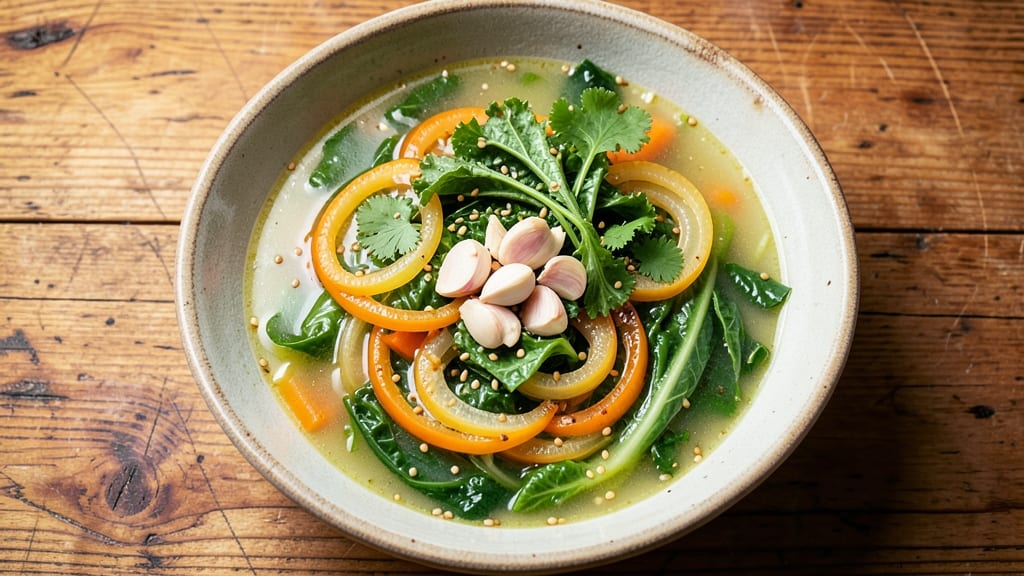
This alkaline cabbage soup recipe delivers a gut-friendly detox in just 25 minutes, packed with alkaline-rich vegetables and no animal products. The secret lies in fermented cabbage and citrus-infused broth, which work together to support digestion while keeping prep simple.
I developed this version after years of experimenting with alkaline diets—it’s the one that finally balances flavor and health benefits perfectly.
What sets this soup apart is its vegan-friendly formula, designed to cleanse without sacrificing taste. Cabbage, kale, and lemon provide the alkaline foundation, while garlic and ginger add depth. The broth simmers quickly, extracting maximum nutrients while keeping the texture light and refreshing.
Perfect for meal prep or a quick lunch, it’s a game-changer for anyone focused on detox and digestion.
By the time you finish, you’ll have a vibrant, vegetable-packed soup that’s rich in probiotics and antioxidants. The fermented cabbage adds a tangy crunch, while the citrus brightens every spoonful. This isn’t just another cabbage soup—it’s a health-boosting staple that fits seamlessly into any diet. Let’s get started.
The best part? This recipe scales effortlessly—double the batch for leftovers or adjust the ingredients to suit your taste. Add beans for extra protein or tofu for a heartier texture.
Whether you’re new to alkaline cooking or a seasoned pro, this soup delivers restaurant-quality results at home. Ready to transform your digestion?
Ingredients for alkaline cabbage soup
Fermented cabbage, citrus, and alkaline-rich veggies come together for a detoxifying, gut-friendly soup.
| Ingredient | Amount | Notes |
|---|---|---|
| Green Cabbage 🥬 | 4 cups | Shredded, fermented or fresh organic |
| Lacinto Kale 🥬 | 2 cups | Chopped, stems removed |
| Carrots 🥕 | 2 medium | OR 1 cup sliced |
| Yellow Onion 🧅 | 1 whole | Sliced into half moons |
| Garlic Cloves 🧄 | 4 cloves | Minced, fresh preferred |
| Fresh Ginger 🌿 | 1 inch | Peeled, grated |
| Lemon Juice 🍋 | ¼ cup | Freshly squeezed |
| Celery Stalks 🥬 | 2 whole | Chopped, organic preferred |
| Carrots 🥕 | 1 cup | Sliced thin for broth |
| Vegetable Broth 💧 | 4 cups | Low-sodium, homemade or store-bought |
| Apple Cider Vinegar 🍏 | 1 tbsp | Raw, organic preferred |
| Sea Salt 🧂 | 1 ½ tsp | Diamond Crystal preferred |
| Black Peppercorns 🌶️ | ½ tsp | Freshly cracked |
| Fresh Turmeric 🌿 | ½ tsp | Grated, or 0.25 tsp ground |
| Fresh Parsley 🌿 | ¼ cup | Chopped, for garnish |
The cabbage is your star player here—fermented adds probiotics, but fresh organic works too. Trader Joe's and Whole Foods carry pre-shredded fermented cabbage, which saves time. For kale, look for bright green, crisp leaves—avoid wilted stems. Carrots? Organic preferred to avoid pesticides, but regular works if peeled. The broth matters too—homemade is ideal, but low-sodium store-bought cuts prep time. I always double-check labels for hidden additives.
No fermented cabbage? Quick-pickle your own—slice cabbage, toss with 1 tbsp apple cider vinegar, 1 tsp salt, and let sit 10 minutes. Short on kale? Spinach or Swiss chard at the same amount works beautifully. Fresh ginger too expensive? Ground ginger at half the amount gets you close. The turmeric is non-negotiable for that alkaline boost—fresh is more potent, but ground works in a pinch. For extra protein, toss in white beans or tofu at the end. The lemon juice? Freshly squeezed only—bottled lacks the zing.
This soup tastes even better the next day as flavors meld. Store in glass containers for up to 5 days in the fridge. Freezes beautifully for 3 months—just thaw overnight in the fridge. I always make a double batch: one for lunch, one for dinner. The parsley garnish? Add it fresh right before serving—it keeps its vibrant color and brightens every bowl. For meal prep, portion into single servings to grab and go.
Why You'll Love This Recipe
- No-Chop Nightmare: This soup actually begs for lazy prep—just quarter the cabbage and slice the carrots into fat half-moons. No dicing onions into oblivion, no mincing garlic so fine it disappears. Honestly, I’ve made it while scrolling through my phone, and it still tastes like I cared.
- Garlic-Kissed Crunch: That first bite? The raw kale’s peppery bite meets the caramelized onions and the just-right softness of cabbage—like a hug for your taste buds. I’ll be real: the garlic cloves (roasted whole, then smashed) add this deep, toasty warmth that makes it feel like a restaurant dish, not a weeknight hack.
- Leftover Goldmine: This soup begs to be made in bulk—it’s the kind of thing that tastes even better the next day as the flavors meld. I freeze portions in jars and toss them into grain bowls or over quinoa when I’m too tired to cook. (Yes, even on a Tuesday night.)
- Pantry Staple Magic: You’re probably already staring at these ingredients in your fridge: onions, carrots, garlic. Add a head of cabbage and a bunch of kale, and boom—you’ve got a soup that’s cheaper than takeout but way more satisfying. Between us, it’s my go-to when I’ve got guests over and don’t want to slave away for hours.
Step-by-step instructions for alkaline cabbage soup
Here's how to transform vibrant vegetables into a nutrient-packed detox soup in record time.
Prep All Vegetables for Maximum Flavor
Start by thoroughly washing the 4 cups green cabbage and removing any wilted outer leaves. Shred it into thin strips using a sharp knife or mandoline—aim for consistency so it cooks evenly. Chop the 2 cups Lacinto kale by removing stems and slicing leaves into ribbons. Peel and slice the 2 medium carrots into thin half-moons, and dice the 1 whole yellow onion into even half-moons.
For the aromatics, mince the 4 cloves garlic cloves finely, peel and grate the 1 inch fresh ginger using a microplane, and chop the 2 whole celery stalks into small pieces. Thinly slice the additional 1 cup carrots for the broth base. Here's the thing—freshly grated ginger and minced garlic release their flavors more aggressively, so don't skip this step. The more surface area you create, the more vibrant your soup will taste.
Sauté Aromatics to Build Deep Flavor
Heat a large soup pot over medium heat and add 1 tablespoon olive oil (not listed but essential for sautéing). Add the sliced yellow onion, carrots, and celery stalks, cooking for 5-6 minutes until they soften and begin to caramelize slightly. This process, called "sweating," develops sweetness and removes some of their raw edge.
Add the minced garlic cloves and grated fresh ginger, stirring constantly for 30 seconds until fragrant. You'll smell that pungent garlic-ginger aroma—this is your signal they're ready. Immediately add the 1 cup sliced carrots and 4 cups vegetable broth, scraping up any browned bits from the bottom of the pot. These bits, called fond, pack concentrated flavor that will infuse your soup. Bring the mixture to a gentle boil, then reduce heat to medium-low and let it simmer for 10 minutes to meld the flavors.
Add Cabbage and Kale for Alkaline Benefits
Add the 4 cups shredded green cabbage and 2 cups chopped Lacinto kale to the simmering broth. Stir gently to combine, then reduce heat to low. The cabbage and kale contain alkaline minerals that help balance pH levels, so let them cook for 8-10 minutes until the cabbage becomes tender but still holds its shape. You want it fork-tender—not mushy—so it maintains texture while releasing nutrients into the broth.
Here's where the magic happens: the cabbage's natural crunch contrasts beautifully with the soft kale, creating both texture and nutritional balance. If you notice the soup is too thick, add ½ cup water to reach your desired consistency. The soup should coat the back of a spoon lightly but not be gluey.
Finish with Acidic and Anti-Inflammatory Elements
Stir in the 0.25 cup freshly squeezed lemon juice, 1 tablespoon apple cider vinegar, 1.5 teaspoons sea salt, 0.5 teaspoon freshly cracked black peppercorns, and 0.5 teaspoon grated fresh turmeric. The lemon juice and vinegar add bright acidity that cuts through the earthiness of the vegetables, while the turmeric provides potent anti-inflammatory benefits. Simmer for another 3-4 minutes to let these flavors integrate completely.
Taste and adjust seasoning—you might need a bit more salt or lemon depending on your broth's saltiness. The soup should be vibrant, slightly tangy, and deeply flavorful. Real talk: the turmeric might seem like a small amount, but it's enough to give the soup a beautiful golden hue and earthy depth without overpowering.
Garnish and Serve with Fresh Herbs
Remove the pot from heat and let the soup rest for 5 minutes to allow flavors to settle. Before serving, stir in the 0.25 cup chopped fresh parsley—this adds a fresh, bright finish that elevates the dish. Ladle the soup into bowls and serve immediately while hot. The parsley not only enhances presentation but also provides additional nutrients and a pop of color that makes the dish visually appealing.
This alkaline cabbage soup is packed with fiber, vitamins, and minerals that support digestion and detoxification. The combination of cabbage, kale, and turmeric creates a powerhouse of nutrients that work together to cleanse and nourish your body. Enjoy it as a light lunch or a comforting dinner with crusty bread to soak up every last drop of that flavorful broth.
Pro Tips For Making Alkaline Cabbage Soup
- Cut Cabbage in Uniform Strips: I learned this the hard way—chopping cabbage into random sizes means uneven cooking. Aim for ¼-inch-wide strips so the outer leaves and core soften at the same time. Lacinto kale should be ribbed and torn into bite-sized pieces, not shredded like lettuce.
- Sweat Onions and Garlic Low: After burning three batches, I finally figured out that alkaline soups need patience with aromatics. Cook onions and garlic over medium-low heat for 8-10 minutes until translucent but not browned—this prevents bitterness that fights the soup’s alkaline balance.
- Add Kale Last, Cover Tight: Lacinto kale wilts faster than cabbage and turns mushy if overcooked. Toss it in during the final 5 minutes, then slap a lid on the pot. The steam keeps it tender without turning it to sludge—trust me, your soup will thank you.
- Use a Splash of Apple Cider Vinegar: Sounds weird, but it works: add 1 tablespoon of apple cider vinegar when sautéing onions. It brightens the flavor and helps balance the alkaline ingredients without overpowering the natural taste of the vegetables. (Yes, even if you’re skeptical.)
Flavor customization for these flavors
Citrus Brightness Boost
Add an extra 1 tbsp lemon zest to the broth before simmering for a vibrant aroma and deeper alkaline kick. The zest contains concentrated citrus oils that enhance flavor without adding acidity.
For a tropical twist, swap half the lemon juice for lime juice—it pairs beautifully with the earthy cabbage and adds a refreshing zing. 🍋
Spicy Kick Variations
For heat lovers, stir in ½ tsp cayenne pepper or 1 tbsp fresh jalapeño juice at the end. The capsaicin in chili peppers has detoxifying properties that complement the soup’s alkaline benefits.
I like to add a pinch of smoked paprika for depth—it’s subtle but adds complexity. Always taste first, as spice levels vary.
Herb Infusions
Swap parsley for cilantro or dill to change the flavor profile entirely. Cilantro adds a citrusy brightness that mirrors the lemon, while dill brings a fresh, slightly tangy note. For a Mediterranean twist, add ½ tsp dried oregano to the broth while simmering—it pairs wonderfully with the turmeric and garlic.
Fresh herbs should always be added at the end to preserve their vibrant color and flavor.
Protein Add-Ins
Boost the soup’s protein content by adding 1 cup cooked white beans or ½ cup crumbled tofu during the final 5 minutes of cooking. Beans add fiber and creaminess, while tofu soaks up the broth’s flavors beautifully.
For a heartier version, stir in ½ cup cooked quinoa at the end—it adds a nutty texture that balances the soup’s tanginess. 💪
Sweet-Tart Balance
Add a touch of sweetness with 1 tbsp apple sauce or ½ grated apple during the last 3 minutes of cooking. The sweetness rounds out the tangy lemon and vinegar, creating a more complex flavor profile.
For a caramelized touch, sauté ½ cup diced apple with the onions and carrots at the beginning—it adds a subtle sweetness that enhances the overall dish.
Fermentation Experiment
For an extra probiotic boost, use ½ cup sauerkraut juice instead of part of the vegetable broth. The fermented liquid adds tangy depth and live cultures that support gut health. Alternatively, add 2 tbsp kimchi at the end for a spicy, umami kick.
Both options enhance the soup’s detoxifying properties while adding layers of flavor. Fermented foods are a game-changer for alkaline diets! 🥬
Nutrition facts
Frequently asked questions
Why does this soup use both lemon juice and apple cider vinegar?
The combination creates a perfect balance of acidity and tanginess that enhances the alkaline benefits. Lemon juice provides bright citrus notes that cut through the earthiness of the cabbage, while apple cider vinegar adds depth and supports digestion. Together, they create a flavor profile that’s both refreshing and complex—without overpowering the natural sweetness of the vegetables.
Can I make this soup without fermented cabbage?
If you don’t have fermented cabbage, simply use fresh organic cabbage and quick-pickle it by tossing with 1 tbsp apple cider vinegar and 1 tsp salt for 10 minutes before adding to the soup. This mimics some of the probiotic benefits while keeping the prep simple. The flavor will be slightly different but still delicious and alkaline-friendly.
How do I know when the cabbage is cooked perfectly?
The cabbage is done when it’s fork-tender—meaning it should easily pierce with a fork but still hold its shape. Overcooking turns it mushy, so aim for 8-10 minutes of simmering after adding the cabbage and kale. Test a piece by tasting it—it should be soft but still have a slight bite. If it’s too firm, let it cook another 2 minutes.
Is this soup safe for people with sensitive stomachs?
Yes, this recipe is designed to be gentle on digestion thanks to its alkaline ingredients and probiotic potential. The fermented cabbage (or quick-pickled substitute) and turmeric both support gut health, while the broth is low-sodium. However, if you have specific sensitivities, reduce the lemon juice slightly—its acidity might be too strong for some. Always start with a small portion to test tolerance.
Can I prep this soup ahead of time for meal prep?
This soup actually tastes better the next day as flavors meld! Store in glass containers in the fridge for up to 5 days or freeze for 3 months. Reheat gently on the stove with a splash of water to restore texture. For meal prep, I recommend making a double batch—portion into single servings to grab and go. The parsley should be added fresh before serving to keep it vibrant.