
Soups & Stews
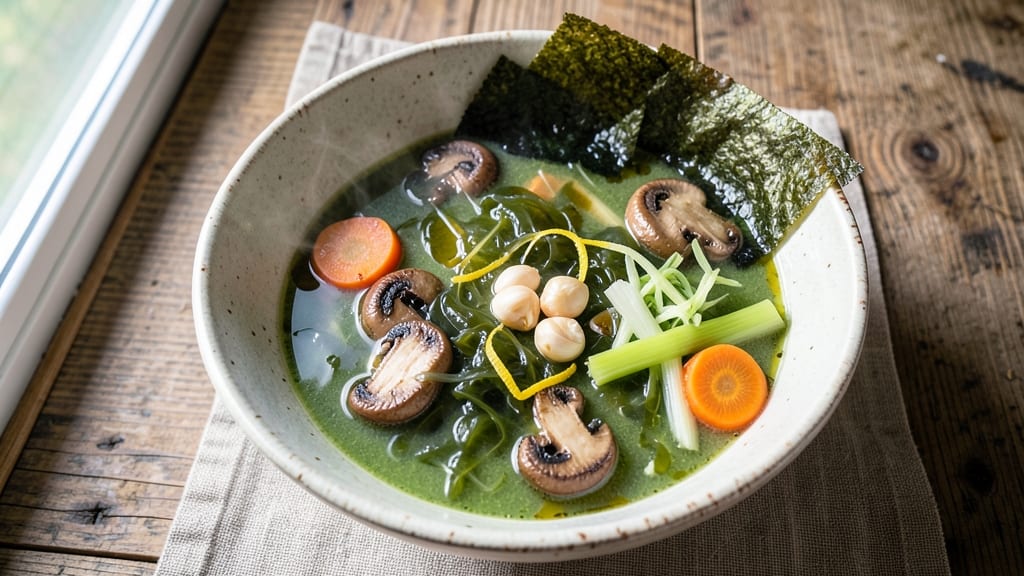
This algae soup recipe transforms ocean minerals into a velvety, umami-packed dish that rivals traditional broths—but with plant-powered depth. The secret lies in rehydrating or lightly cooking algae like nori or wakame, which releases their natural briny richness without overpowering delicate flavors.
What makes this recipe remarkable is how it balances earthy textures with silky smoothness, creating a soup that’s both nourishing and deeply satisfying.
Perfect for vegans or anyone seeking a nutrient-dense meal, this soup simmers in just 25 minutes, making it ideal for weeknight dinners or meal prep. The process is straightforward: rehydrate the algae, blend with aromatic vegetables, and simmer until the flavors meld into a harmonious broth.
Whether you prefer a miso-infused variation or a creamy gazpacho-style twist, this recipe adapts effortlessly to your taste.
The result is a bowl of soup that’s rich in umami, packed with minerals, and surprisingly light—thanks to the algae’s natural ability to absorb and concentrate flavors. Each spoonful delivers a symphony of textures: tender vegetables, delicate seaweed strands, and a velvety broth that clings to every bite.
It’s the kind of dish that feels both comforting and innovative, proving that plant-based meals can be just as hearty as they are healthful.
Pair it with pickled vegetables for a tangy contrast or serve alongside steamed greens to round out the meal. The best part? This recipe highlights algae’s versatility, turning a humble ingredient into a culinary star. Let’s get cooking!
Ingredients for algae soup
Transform ocean minerals into velvety umami with these nutrient-dense, plant-powered ingredients.
| Ingredient | Amount | Notes |
|---|---|---|
| Dried Wakame Seaweed 🌊 | 1 oz | High-quality, organic preferred |
| Dried Nori Sheets 🍣 | 2 sheets | Cut into thin strips |
| White Mushrooms 🍄 | 8 oz | Cremini or shiitake for depth |
| Carrots 🥕 | 1 medium | Organic, peeled and sliced |
| Celery Stalks 🌿 | 3 whole | Fresh, fibrous ends trimmed |
| Garlic Cloves 🧄 | 4 cloves | Freshly minced for aroma |
| Fresh Ginger 🌿 | 1 inch | Peeled, thinly sliced |
| Red Miso Paste 🧈 | 1 tbsp | Organic, fermented |
| Coconut Milk 🥥 | ½ cup | Full-fat for creaminess |
| Vegetable Broth 💧 | 4 cups | Low-sodium, homemade preferred |
| Lemon Juice 🍋 | 1 tbsp | Freshly squeezed |
| Sesame Oil 🫒 | 1 tsp | Toasted, for finishing |
| Toasted Sesame Seeds 🌱 | 1 tsp | For garnish |
| Diamond Crystal Kosher Salt 🧂 | ½ tsp | Adjust to taste |
| White Pepper 🌶️ | ¼ tsp | Freshly ground |
The algae is the heart of this dish—look for organic wakame and nori at specialty grocers like Whole Foods or Sprouts. High-quality seaweed releases more minerals when rehydrated, creating that signature oceanic depth. If you can't find dried wakame, dried kombu works as a substitute, though it has a stronger flavor. For the mushrooms, shiitake or cremini add earthy complexity—avoid button mushrooms, which lack depth. The miso paste should be fermented for at least 6 months; check the label for 'aged' or 'barrel-fermented' designations. Fresh ginger is non-negotiable here—dried loses its zing when rehydrated.
No wakame? Dulse flakes or arame provide similar mineral richness, though textures differ. Substituting miso with soy sauce plus 1 tsp nutritional yeast mimics the umami, but you'll lose depth. For a lighter broth, reduce the coconut milk to 2 tbsp and add 2 tbsp silken tofu for creaminess. The vegetable broth can be homemade or high-quality store-bought—Imagine or Pacific Foods brands are reliable. If you're short on time, pre-cut celery and carrots from the grocery store's fresh prep section save chopping minutes. The sesame oil is purely for finishing; if you dislike its flavor, avocado oil works neutrally.
Store dried seaweed in an airtight container away from light to preserve its potency for up to 12 months. Rehydrated nori strips keep in the fridge for 3 days if submerged in water. The miso paste freezes beautifully—portion into ice cube trays for single-use servings that last 6 months. For meal prep, assemble the soup without the coconut milk and store the base for 5 days; stir in the coconut milk just before serving to maintain texture. Garnish with sesame seeds immediately before eating to prevent them from sinking into the broth.
Why You'll Love This Recipe
- Pantry-to-Bowl Magic: I swear by this recipe because it starts with ingredients I already have—no last-minute grocery runs. Just pull out dried wakame, nori sheets, and a handful of carrots from the fridge, and you’re golden. The wakame rehydrates in minutes, and the nori adds that oceanic punch without extra effort.
- Umami Bomb: That first sip? Chef’s kiss. The mushrooms and wakame team up for a deep, savory flavor that lingers, while the nori sheets add a briny crunch. It’s the kind of taste that makes you forget it’s “just” soup—honestly, it’s dangerously addictive.
- Meal Prep MVP: Between us, this is my go-to for busy weeks. Make a big batch on Sunday, and you’ve got lunch covered for three days. The flavors actually improve as it sits—yes, even on a Tuesday night—because the seaweed softens just enough to get cozy.
- Budget-Friendly Powerhouse: Seaweed is one of those ingredients that stretches your dollar and your meals. A tiny packet of dried wakame and nori goes a long way, and the veggies (carrots, celery, mushrooms) are cheap staples. I’ll be real: it’s my secret weapon for feeding a crowd without breaking the bank.
Step-by-step instructions for algae soup
A balanced approach to umami depth and oceanic freshness in every spoonful.
Rehydrate the Seaweed and Prepare Vegetables
Begin by placing the 1 oz dried wakame seaweed in a heatproof bowl and covering it with 2 cups of hot vegetable broth from the 4 cups total. Let it soak for 10 minutes until it expands to about 3 times its original size—this ensures maximum texture and flavor extraction. Meanwhile, peel and slice the 1 medium carrot into thin rounds and trim the 3 whole celery stalks into ¼-inch pieces. Mince the 4 cloves garlic cloves and thinly slice the 1 inch fresh ginger. Set these aside.
For the 2 sheets dried nori sheets, cut each sheet into ¼-inch wide strips—this creates delicate, crisp edible garnishes that add visual contrast and a subtle oceanic crunch. Keep them separate until the final step to maintain their texture. The key here is precision: uniform slices and minced aromatics distribute flavor evenly throughout the soup.
Sauté Aromatics and Build the Base
Heat a large pot over medium heat and add 1 teaspoon sesame oil. Once shimmering, add the sliced carrots and celery, cooking for 5 minutes until softened but still retaining a slight crunch. Add the minced garlic and ginger, stirring for 30 seconds until fragrant—this step unlocks the aromatic potential of these ingredients. The garlic should smell pungent but not brown.
Stir in the 1 tablespoon red miso paste and cook for 1 minute until fully incorporated. This fermented ingredient forms the umami backbone of the soup. Pour in the remaining 2 cups vegetable broth (reserving the wakame soaking liquid) and bring to a gentle simmer. Add the rehydrated wakame seaweed and its soaking liquid, stirring to combine. Season with ½ teaspoon diamond crystal kosher salt and ¼ teaspoon white pepper. Let the mixture simmer for 8 minutes until the vegetables are tender.
Incorporate Mushrooms and Finish with Creaminess
While the broth simmers, clean the 8 oz white mushrooms by wiping them with a damp cloth to remove any dirt. Slice them into ¼-inch pieces—this size ensures they cook quickly without becoming mushy. When the broth reaches a gentle simmer, add the mushrooms and cook for 5 minutes until they release their moisture and begin to soften. Stir occasionally to prevent sticking.
Reduce heat to low and stir in the ½ cup coconut milk, allowing it to warm through for 2 minutes without boiling. This step adds a velvety texture that balances the briny notes of the seaweed. Finish with 1 tablespoon lemon juice, which brightens the soup and cuts through the richness of the coconut milk. Taste and adjust seasoning—you may need a pinch more salt or pepper to harmonize the flavors.
Garnish and Serve with Precision
Ladle the soup into bowls, ensuring each serving receives an even distribution of seaweed, mushrooms, and vegetables. Drizzle each bowl with a few drops of sesame oil and sprinkle with 1 teaspoon toasted sesame seeds. Add ¼ of the nori strips to each bowl—this garnish not only enhances the visual appeal but also provides a textural contrast that elevates the dining experience.
Serve immediately while the soup is hot, as the nori strips retain their crispness when added fresh. The broth should coat the back of a spoon with a silky consistency, and each bite should deliver layers of umami from the miso and seaweed, balanced by the brightness of the lemon and the creaminess of the coconut milk. Pair with steamed rice to complete the meal.
Pro Tips For Making Algae Soup
- Soak Wakame First: Dried wakame absorbs water like a sponge—toss it in cold water for 10 minutes before adding to the pot. I learned this the hard way: skipping it leaves the seaweed tough and chewy, and no one wants that in soup.
- Sauté Celery and Carrots Separately: Celery burns faster than carrots, so cook them in batches if needed. Start with celery over medium heat for 3 minutes, then add carrots—this keeps their texture distinct and prevents a mushy base.
- Toast Nori Before Adding: Crush dried nori sheets between your palms and lightly toast them in a dry pan for 20 seconds. This deepens their flavor and prevents them from dissolving into a slimy mess in the soup.
- Simmer Low and Slow: Algae soup tastes best when simmered gently—keep it at a bare bubble for 20-25 minutes after everything’s combined. Rushing it turns the broth murky and the mushrooms rubbery. (Yes, even if you’re impatient like me.)
Best sauces and condiments for algae soup
Miso-Inspired Depth
Elevate your algae soup with a 1 tablespoon red miso paste—this fermented powerhouse adds umami complexity that bridges the oceanic notes of the seaweed and the creaminess of coconut milk.
For an extra boost, I like toasting ½ teaspoon white miso in the pot for 30 seconds before adding the broth to deepen its caramelized flavor. If you prefer a lighter touch, substitute with 1 tablespoon white miso and ½ teaspoon soy sauce for a milder, slightly sweeter profile. 🌟
Creamy Coconut Variations
The ½ cup coconut milk transforms this soup into a velvety masterpiece, but don’t stop there! For a spicier kick, stir in ½ teaspoon chili crisp with the coconut milk. Or, for a nutty twist, blend in 2 tablespoons tahini for a Middle Eastern-inspired richness.
If you’re avoiding dairy, silken tofu (blended smooth) works beautifully—just add 2 tablespoons and simmer for 3 minutes to integrate fully. The key is balancing the coconut’s richness with acidity, so always finish with 1 tablespoon lemon juice.
Umami-Boosting Broths
Swap the vegetable broth for dashi (made with kombu and bonito flakes) to amplify the oceanic flavor—just omit the bonito if keeping it vegan. For a smoky depth, use ½ cup mushroom broth (simmered with shiitake stems) instead of half the vegetable broth.
Another pro move: infuse the broth with 1 bay leaf and 2 sprigs thyme while simmering, then strain before serving. This adds an herbal complexity that pairs perfectly with the seaweed’s brininess. 💫
Brightening Finishes
Don’t underestimate the power of finishing touches! Beyond the sesame oil and nori strips, consider adding 1 teaspoon fish sauce (for non-vegans) or 1 teaspoon vegan fish sauce for a savory punch. A drizzle of yuzu kosher salt (or sub 1 tsp lemon zest) adds citrusy brightness.
For texture, top with crispy shallots (sautéed in 1 tsp butter or oil until golden) or toasted pumpkin seeds for a nutty crunch. These garnishes turn a good soup into a restaurant-worthy dish.
Spicy Heat Options
If you love heat, fold in 1 teaspoon gochujang (Korean chili paste) with the miso for a sweet-spicy depth. For a fresh chili kick, stir in 1 finely chopped Thai bird’s eye chili at the end.
Or, blend 1 tablespoon sriracha with the coconut milk for a smooth, spicy creaminess. Always taste before serving—algae soup’s natural saltiness can mellow the heat, so adjust gradually. A pinch of cayenne or chili flakes on the side lets guests control their spice level. 🌶️
Herbal Infusions
Infuse the broth with fresh herbs for a lighter, brighter profile. Add 1 sprig cilantro or 2 sprigs dill while simmering, then remove before serving. For a Mediterranean twist, stir in 1 teaspoon dried oregano with the miso.
If you love green notes, blend in 2 tablespoons fresh basil at the end—it pairs surprisingly well with the seaweed’s earthiness. Herbs also help balance the richness, making each spoonful feel lighter and more refreshing.
Nutrition facts
Frequently asked questions
What types of algae work best for this soup?
For this recipe, wakame and nori are ideal—they provide that signature oceanic depth without overpowering. Wakame rehydrates beautifully for texture, while nori adds delicate crispness when served as garnish. Dulse flakes or arame can substitute if needed, though they offer slightly different mineral profiles and textures.
Can I make this soup without coconut milk?
The coconut milk adds creaminess, but you can substitute with 2 tablespoons silken tofu blended smooth for a lighter option. For extra richness, try 2 tablespoons tahini or ½ cup cashew cream (blended soaked cashews with water). The key is balancing the algae's brininess with some fat to round out the flavors.
How do I prevent the nori strips from turning mushy?
Add the nori strips only at the very end, just before serving. They should stay crisp for 5-10 minutes in hot broth. For extra insurance, keep them separate until the last moment and add them directly to individual bowls. If you prefer softer nori, reduce the cooking time to 3 minutes instead of simmering.
What’s the best way to store leftovers?
Store the soup (without coconut milk) in an airtight container in the fridge for up to 5 days. Reheat gently on the stove, adding a splash of water or broth if it thickens. For the nori strips, store them separately in a sealed bag with a paper towel to keep them dry and crisp. When reheating, add fresh nori strips to each bowl.
Can I make this soup spicier?
Yes! For heat, blend 1 tablespoon sriracha with the coconut milk or stir in ½ teaspoon gochujang with the miso. For fresh chili, add 1 finely chopped Thai bird’s eye chili at the end. Remember, algae's natural saltiness can mellow heat—adjust gradually and serve extra chili flakes on the side for customization.