
Soups & Stews
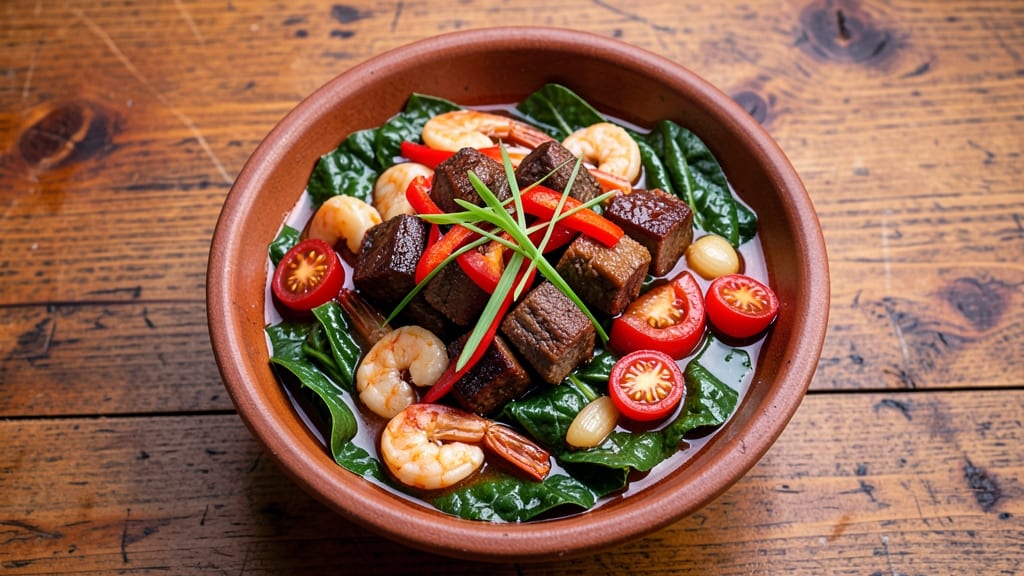
Afang soup recipe ingredients bring bold West African flavors to your kitchen with its signature peppery heat and leafy green richness. This traditional stew transforms tender meat or fish into a smoky, aromatic masterpiece that pairs perfectly with fufu or rice.
The key lies in balancing heat, earthiness, and umami through carefully selected spices and greens.
The foundation begins with leafy greens like afang leaves or spinach, combined with protein—beef, chicken, or fish—and a blend of peppers, onions, and tomatoes that build deep flavor.
Traditional ingredients include palm oil for richness, crayfish for umami depth, and a mix of spices like thyme, curry powder, and bay leaves. Each component plays a crucial role in creating the soup's signature complexity.
What makes this dish truly special is how these ingredients come together during slow simmering, allowing flavors to meld into a harmonious broth. The result is a hearty, comforting soup that's both nourishing and deeply satisfying—perfect for family gatherings or special occasions.
The aroma alone will transport you to West African dining tables.
Serve with traditional sides like fufu, pounded yam, or rice to create a complete meal experience. This recipe delivers authentic flavors without compromising on simplicity, making it accessible for home cooks while staying true to its cultural roots. Let's bring this West African classic to your kitchen.
Ingredients for afang soup recipe ingredients
Sixteen ingredients transform into a rich, aromatic West African masterpiece that balances heat, earthiness, and umami.
| Ingredient | Amount | Notes |
|---|---|---|
| Afang Leaves 🌿 | 2 cups | Fresh or frozen, chopped finely |
| Beef Chuck Roast 🥩 | 2 lb | Cut into 1-inch cubes |
| Dried Shrimp (Crayfish) 🦐 | ½ cup | Rehydrated in warm water |
| Red Bell Peppers 🌶️ | 2 whole | Seeds removed, chopped |
| Yellow Onions 🧅 | 2 whole | Peeled, chopped finely |
| Tomatoes 🍅 | 4 whole | Ripe, blended into sauce |
| Palm Oil 🫒 | ½ cup | Red palm oil preferred |
| Fresh Thyme Leaves 🌿 | ¼ cup | Chopped finely |
| Ground Curry Powder 🌶️ | 1 tbsp | Authentic West African blend |
| Bay Leaves 🍃 | 2 whole | Dried, crushed lightly |
| Scotch Bonnet Peppers 🌶️ | 2 whole | Seeds removed, chopped |
| Garlic Cloves 🧄 | 6 cloves | Peeled, minced finely |
| Salt 🧂 | 1 ½ tsp | Adjust to taste |
| Black Peppercorns 🌶️ | ½ tsp | Freshly ground |
| Spinach Leaves 🌱 | 1 cup | Substitute if afang unavailable |
The afang leaves are the heart of this soup—fresh is ideal, but frozen works in a pinch. African specialty markets often carry them, but most grocery stores stock spinach as a substitute. For the beef, chuck roast delivers the best texture, though chicken or fish work equally well. Dried shrimp (crayfish) adds that signature umami depth—rehydrate in warm water for 15 minutes before adding to the pot. Palm oil is non-negotiable for authentic flavor; red palm oil adds richness and color that regular vegetable oil can't replicate. If you can't find it, African grocery stores or online specialty retailers are your best bet.
No afang leaves? Spinach or bitter leaf will work, though the flavor profile shifts slightly. Substituting beef for chicken? Use thighs instead of breasts—they stay tender during the long simmer. The scotch bonnet peppers are key for heat; reduce to 1 or swap for habanero if you prefer milder spice. Curry powder varies by brand—look for West African blends if possible, or mix equal parts turmeric, coriander, and cumin. For the tomatoes, blend with the peppers and onions to create a smooth base sauce. Prefer convenience? Canned crushed tomatoes save time without sacrificing flavor.
This soup tastes even better the next day—simmering allows flavors to meld fully. Store leftovers in the fridge for 3-4 days or freeze for up to 3 months. To reheat, add a splash of water or broth to prevent thickening. The palm oil solidifies when cold; gently warm the soup on low heat to restore its rich texture. For a crowd, double the ingredients—this recipe scales beautifully. Serve with fufu, pounded yam, or rice to complete the traditional meal.
Why You'll Love This Recipe
- One-Pot Magic: I swear by this—just toss everything in one pot and let the beef chuck roast melt into tender perfection while the afang leaves infuse that deep, earthy richness. No fancy steps, no extra dishes.
- Umami Bomb: That dried shrimp? It’s the secret weapon—salty, briny, and packed into every spoonful, balancing the hearty beef and the peppery kick of the red bell peppers. Honestly, the first time I tasted it, I nearly burned my tongue reaching for more.
- Weeknight to Sunday: Slurp it up with rice for a quick weeknight dinner or serve it at gatherings—it’s that good. The leftovers? Even better the next day, especially with a splash of palm oil to revive the flavors.
- Budget-Friendly Feast: Afang leaves might sound exotic, but they stretch further than you’d think, and beef chuck roast is cheaper than fancy cuts while staying juicy. Plus, dried shrimp adds depth without breaking the bank—this is comfort food that won’t drain your wallet.
Step-by-step instructions for preparing afang soup
Transform humble ingredients into a rich, aromatic West African masterpiece with this precise technique.
Prepare the Protein Components
Begin by rehydrating the 0.5 cup dried shrimp (crayfish) in warm water for 10 minutes—they should plump up and regain their texture. Drain thoroughly, reserving the soaking liquid. In a separate bowl, cut the 2 lb beef chuck roast into 1-inch cubes—uniform size ensures even cooking. The beef will develop deep flavor as it simmers, so don't rush this preparation.
While the shrimp rehydrates, crush the 2 whole bay leaves lightly between your palms to release their aromatic oils. This subtle step intensifies their earthy notes in the finished soup. The shrimp's briny essence will form the base of your soup's complex flavor profile, so handle them gently to preserve their delicate texture.
Develop the Flavor Base
Heat the 0.5 cup palm oil in a large pot over medium heat until it shimmers but doesn't smoke. Add the 2 whole yellow onions chopped finely, and sauté for 5-6 minutes until they soften and begin to caramelize at the edges. This foundational step builds sweetness that balances the soup's peppery notes.
Add the 6 cloves minced garlic and 2 whole Scotch bonnet peppers (seeds removed) along with the 1 tbsp ground curry powder. Stir continuously for 1-2 minutes until the mixture fragrant and the spices release their oils. The pot should smell intensely aromatic—this is your flavor anchor. If the spices burn, reduce heat immediately as their bitter compounds will overpower the delicate balance.
Build the Broth and Incorporate Vegetables
Add the 2 whole red bell peppers chopped and 4 whole tomatoes blended into sauce to the pot. Stir well and cook for 8-10 minutes until the vegetables soften and the mixture reduces slightly. The tomatoes should break down into a rich, slightly thickened sauce that coats the back of a spoon.
Pour in 4 cups water (enough to cover ingredients) and add the rehydrated shrimp along with their reserved soaking liquid. Bring to a gentle boil, then reduce heat to medium-low. Add the 1.5 tsp salt and 0.5 tsp freshly ground black peppercorns, stirring to dissolve. The broth should begin to develop a rich, reddish hue from the palm oil and vegetables.
Cook the Beef and Add Leafy Greens
Add the prepared beef cubes to the simmering broth. Partially cover the pot and cook for 1 hour to 1 hour 15 minutes until the beef is fork-tender. The meat should pull apart easily when pierced with a fork, though it will continue tenderizing as it rests. Skim off any foam that rises to the surface during the first 30 minutes of cooking.
When the beef is nearly tender, stir in the 2 cups afang leaves and 0.25 cup fresh thyme leaves chopped finely. Simmer uncovered for an additional 10-12 minutes until the greens wilt and the soup reaches your desired consistency. The afang leaves will impart their characteristic earthy, slightly bitter notes that define this West African classic.
Finish with Spinach and Adjust Seasoning
In the final 5 minutes of cooking, add the 1 cup spinach leaves to the pot. Stir gently until just wilted—they should remain vibrant green, adding a fresh contrast to the rich broth. Remove the pot from heat and let the soup rest for 5 minutes to allow flavors to meld completely.
Taste and adjust seasoning if needed, adding more salt or pepper as required. The soup should balance rich beef flavors with the peppery bite of the afang leaves and the subtle heat from the Scotch bonnet. Serve immediately with fufu or garri to create the traditional West African dining experience.
Pro Tips For Making Afang Soup Recipe Ingredients
- SOAK SHRIMP FIRST: I learned this the hard way—tossing dried shrimp straight into the pot means they’ll just float like sad little ghosts. Soak them in warm water for 15 minutes first, then rinse to remove the grit. They’ll rehydrate faster and actually contribute to the soup instead of just sitting there looking decorative.
- SEAR THE BEEF IN BATCHES: Beef chuck roast is forgiving, but if you crowd the pan, you’ll steam it instead of sear it. Cut the meat into 1-inch chunks and work in two batches over medium-high heat—this gives you a proper crust without turning your kitchen into a sauna. (Yes, even if you’re impatient like me.)
- BLANCH AFANG LEAVES: Skipping this step means your soup will taste like you microwaved the leaves instead of simmering them. Give the afang leaves a quick 30-second blanch in boiling water first, then shock them in ice water. This softens the tough fibers and lets the flavor meld properly—no more chewing through mystery greens.
- CHAR THE ONIONS LOW AND SLOW: I used to rush the onions, and they’d turn bitter before they even got golden. For afang, cook them over the lowest heat you can stand—about 15 minutes until they’re deep brown and sweet. The slow caramelization builds flavor that cuts through the richness of the beef. (Your future self will thank you.)
Best sauces and condiments for this afang soup recipe ingredients
Palm Oil Magic
The secret weapon in Afang soup is red palm oil, which delivers both rich color and deep, nutty flavor. Unlike regular vegetable oils, palm oil adds a distinctive earthiness that's essential to the dish.
I recommend African Palm Oil brands like Palm & Pineapple or Dove—they're widely available in West African markets or online. For an authentic experience, don't substitute with olive or coconut oil; their flavors won't replicate palm oil's unique character. 🫒
Spice Blend Secrets
The West African curry powder is your flavor multiplier—look for blends containing turmeric, coriander, and cumin. I prefer Madhuri or MCC brands for that authentic depth. For extra heat, add 1 tsp grated ginger with the garlic.
The scotch bonnet peppers should be chopped carefully to avoid burning—their capsaicin compounds release more flavor when cooked gently. 🌶️
Umami Boosters
Dried shrimp (crayfish) are non-negotiable for that signature umami punch. I soak mine in warm water for 15 minutes before adding to the pot. For an extra layer of depth, add 1 tbsp fish sauce when incorporating the vegetables—it enhances the savory notes without overpowering.
The shrimp's briny essence becomes the flavor backbone of the soup. 🦐
Leafy Green Substitutes
No afang leaves? Bitter leaf or stinging nettle work beautifully, though spinach will give you a milder taste. I've used 1 cup frozen spinach in a pinch—just thaw and drain well before adding.
For maximum flavor, wilt the greens in the pot for 5-7 minutes before serving. The last-minute addition keeps them vibrant and slightly crisp. 🌱
Finishing Touches
Brighten the soup with 1 tbsp lemon juice or 2 tbsp tomato paste> at the end for freshness. Garnish with chopped fresh parsley or cilantro> for color contrast.
The acidity cuts through the richness, while the herbs add a bright finish. Serve with alligator pepper> on the side for guests who want extra heat. ✨
Nutrition facts
Frequently asked questions
Can I substitute beef with chicken or fish in Afang soup?
For chicken, use 2 lbs bone-in thighs (they stay juicier than breasts). For fish, opt for 1.5 lbs firm white fish like tilapia or cod, adding it in the last 10 minutes of cooking to prevent breaking. The cooking time reduces to 20-25 minutes for fish. The soup's flavor profile remains rich, though the texture will differ slightly.
Where can I find afang leaves if my local store doesn't carry them?
African specialty markets are your best bet—look for "efang" or "efang leaves" in the frozen vegetable section. Online retailers like AfricanFoodsShop.com or Amazon also stock them. As a substitute, bitter leaf or stinging nettle work best for authenticity, though spinach will give a milder result. Always check freshness—wilting leaves indicate quality.
Why does my Afang soup taste too bitter? How can I fix it?
Overcooked greens or excessive palm oil can cause bitterness. To fix it, add 1 tbsp fish sauce or 1 tsp sugar to balance flavors. For prevention, simmer greens for only 10-12 minutes and use 0.3 cup palm oil (instead of 0.5 cup) if you prefer a lighter taste. A splash of lemon juice at the end also brightens the broth.
Can I make Afang soup in a slow cooker or Instant Pot?
Yes! For a slow cooker, sauté the onions, garlic, and spices first, then transfer everything to the pot with 2 cups water. Cook on low for 6-7 hours or high for 3-4 hours. For an Instant Pot, use the high-pressure setting for 25 minutes after sautéing, then natural release for 10 minutes. Adjust greens time accordingly—they cook faster in pressure cookers.
What sides pair best with Afang soup?
Traditional pairings include fufu (made from cassava or yam flour), pounded yam, or garri. For a quicker option, serve with jollof rice or white rice. The starchy sides help balance the soup's peppery richness. Pro tip: Offer alligator pepper on the side for guests who want extra heat!