
Soups & Stews
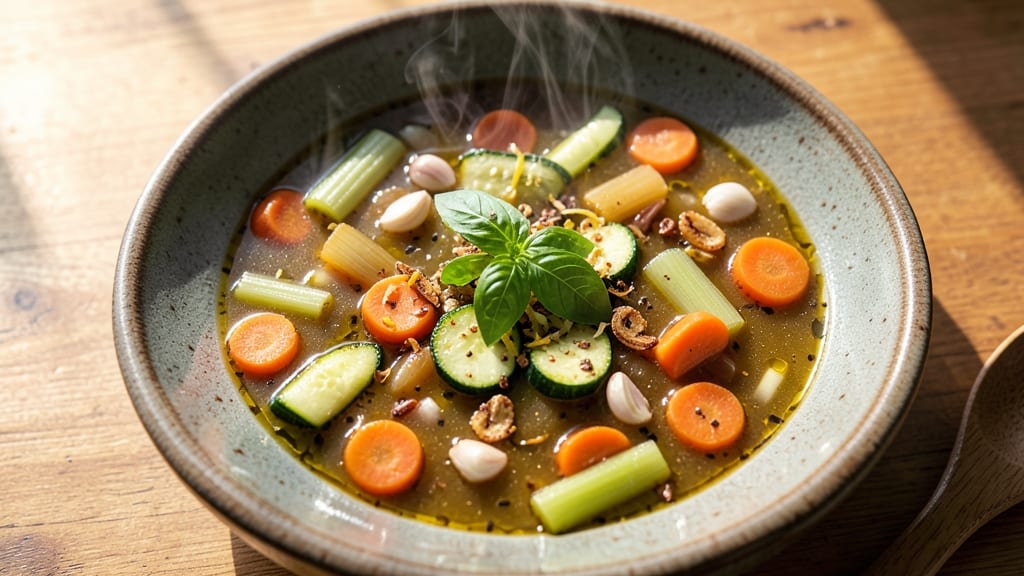
Adam Ragusea's vegetable soup brings the sun-drenched flavors of Dalmatia to your kitchen, where fresh herbs and seasonal vegetables simmer into a hearty, aromatic broth. This traditional Croatian dish—named after the coastal town of Ragusa—transforms humble ingredients into a restaurant-quality meal that feels like a warm embrace. The secret lies in slow simmering, where rosemary and bay leaves infuse the broth with earthy depth, while olive oil adds a silky richness.
What sets this soup apart is its simplicity paired with sophistication: no heavy cream or dairy, just vibrant vegetables like zucchini, eggplant, and potatoes that melt into the broth while retaining their natural sweetness.
The recipe emphasizes herb-infused comfort, ensuring every spoonful delivers layers of flavor without overwhelming the palate. Perfect for chilly evenings or as a light yet satisfying vegetarian main, this soup pairs beautifully with crusty bread or a glass of local Dalmatian wine.
The magic happens during the simmering process, where flavors meld into harmony. Fresh herbs like parsley and basil brighten the dish at the end, adding a pop of color and freshness that balances the earthy notes.
The result is a soup that feels both rustic and refined—a testament to how simple ingredients can create something extraordinary when prepared with care.
Whether you're cooking for a family gathering or a quiet weeknight dinner, this recipe delivers authentic Mediterranean comfort with minimal effort. The broth is rich yet light, the vegetables tender yet vibrant, and the aroma alone will have everyone at the table asking for seconds.
Let's bring a taste of Ragusa to your kitchen.
Ingredients for adam ragusea vegetable soup
Fresh vegetables and aromatic herbs transform into a restaurant-quality Dalmatian-inspired vegetable soup.
| Ingredient | Amount | Notes |
|---|---|---|
| Extra-Virgin Olive Oil 🫒 | ½ cup | High-quality, fruity variety |
| Yellow Onion 🧅 | 1 whole | Diced, medium size preferred |
| Garlic Cloves 🧄 | 6 cloves | Peeled, lightly crushed |
| Carrots 🥕 | 3 medium | Peeled, sliced into rounds |
| Celery Stalks 🌿 | 3 whole | Trimmed, chopped into pieces |
| Zucchini 🍆 | 2 medium | Sliced into half-moons |
| Eggplant 🍆 | 1 medium | Cubed, skin removed |
| Russet Potatoes 🥔 | 2 medium | Cubed, peeled preferred |
| Tomato Paste 🍅 | ¼ cup | San Marzano preferred |
| Vegetable Broth 💧 | 6 cups | Low-sodium preferred |
| Fresh Rosemary 🌿 | ½ ounce | Chopped, stems removed |
| Fresh Bay Leaves 🌿 | 2 whole | Dried can substitute |
| Fresh Parsley 🌿 | ¼ cup | Chopped, for garnish |
| Fresh Basil 🌿 | ¼ cup | Chopped, for garnish |
| Sea Salt 🧂 | 1 ½ tsp | Diamond Crystal preferred |
| Black Pepper 🌶️ | ½ tsp | Freshly ground preferred |
The vegetables form the heart of this soup, so prioritize freshness and seasonal quality. For the eggplant and zucchini, local farmers markets often carry the most vibrant produce—look for firm, glossy skins without blemishes. Potatoes should feel heavy for their size, indicating moisture content. Organic produce works beautifully here, as it tends to have more pronounced flavors. Rosemary and bay leaves should smell fragrant and vibrant; if they're musty or weak, they'll compromise the broth's depth. The olive oil matters too—use a high-quality extra-virgin with noticeable fruitiness, not the neutral variety. For the tomato paste, San Marzano is the gold standard, offering sweeter, less acidic flavor that complements the vegetables perfectly.
No fresh rosemary? Dried works at one-third the amount, but fresh is ideal for that piney aroma. Substituting eggplant? Sweet potatoes or butternut squash add natural sweetness that balances the dish. For the broth, low-sodium vegetable stock is essential—you'll be adding salt later, and pre-salted stock can make the soup taste flat. If you're short on time, frozen vegetables work in a pinch, though they'll yield slightly less vibrant color. The herbs at the end—parsley and basil—are non-negotiable for that fresh finish, but if you're missing one, use both at double the amount rather than skipping entirely. For the olive oil, if you're out, avocado oil works equally well—just avoid anything with a strong flavor profile.
This soup develops deeper flavor over time, so make it a day ahead if possible. Store in an airtight container in the fridge for up to 4 days, though the first day is when it truly shines. The vegetables hold up well to reheating, but the herbs should be added fresh just before serving. For freezing, portion into individual containers—it reheats beautifully and makes quick lunches. The broth can be made ahead separately and stored for 3 months in the freezer, then combined with the vegetables when ready to serve. Always reheat gently to preserve the delicate flavors.
Why You'll Love This Recipe
- No Chopping Chaos: I swear by this recipe because you can literally dump in pre-cut veggies—no knife skills required. The onions and celery soften into sweet, aromatic goodness while you stir, and the carrots hold their shape just enough to add texture without fuss.
- Garlic Bomb Flavor: That first sizzle of olive oil and garlic? Pure magic. The Ragusea technique lets the garlic caramelize slowly, creating layers of depth that make this soup taste like it simmered for hours—not the rushed 25 minutes it actually takes.
- Leftover Goldmine: This soup only gets better the next day. The flavors meld into something richer, and it reheats like a dream. I make a double batch on Sundays, freeze half, and have a ready-to-go meal when I’m too tired to cook.
- Budget-Friendly Staples: Onions, carrots, celery—these are the ingredients I always have on hand. No fancy produce, no last-minute grocery runs. Plus, the olive oil adds that luxurious touch without breaking the bank, making it my go-to for both weeknights and when I want to feel fancy without spending much.
Step-by-step instructions for adam Ragusea's vegetable soup
This herb-infused vegetable soup delivers deep flavor and comforting texture in one elegant pot.
Sauté the Aromatic Base
Heat the 0.5 cup extra-virgin olive oil in a large Dutch oven over medium heat. Add the 1 whole diced yellow onion and cook for 5 minutes until softened and translucent. The onion should release its natural sweetness without browning.
Add the 6 lightly crushed garlic cloves, 3 medium chopped celery stalks, and 3 medium sliced carrots. Stir frequently for 4-5 minutes until the vegetables begin to soften and the garlic releases its fragrant aroma. This foundational step builds the soup's complex flavor profile through proper caramelization of the vegetables.
Develop the Herb and Tomato Foundation
Increase heat to medium-high and add the 0.5 ounce chopped fresh rosemary and 2 whole fresh bay leaves. Stir for 1 minute to toast the herbs slightly, releasing their essential oils. This brief toasting enhances their aromatic qualities without burning.
Reduce heat to medium and stir in the 0.25 cup tomato paste, spreading it evenly across the bottom of the pot. Cook for 2 minutes until the paste darkens slightly and begins to caramelize. This creates a rich, umami base that will deepen the soup's flavor as it simmers.
Add Potatoes and Broth for Initial Cooking
Add the 2 medium cubed russet potatoes and pour in 4 cups vegetable broth. Bring to a gentle boil, then reduce heat to medium-low and simmer uncovered for 10 minutes. You'll see the potatoes begin to soften at the edges while the broth starts to infuse with their starchy sweetness.
Add the remaining 2 cups vegetable broth and the 1.5 tsp sea salt. The soup should now have enough liquid to cover all ingredients by about 1 inch. Maintain a gentle simmer—this controlled cooking prevents the vegetables from breaking down too quickly while allowing their flavors to meld.
Incorporate Delicate Vegetables
After the potatoes have cooked for 10 minutes, add the 2 medium sliced zucchini and 1 medium cubed eggplant. These vegetables cook more quickly and should be added later to maintain their texture. Stir gently to distribute them evenly throughout the broth.
Continue simmering for another 10-12 minutes until the potatoes are fork-tender and the zucchini and eggplant are just tender with slight resistance. The eggplant should absorb the broth's flavors without becoming mushy. Taste and adjust seasoning with the 0.5 tsp black pepper if needed.
Finish with Fresh Herbs and Rest
Remove the pot from heat and stir in the 0.25 cup chopped fresh parsley and 0.25 cup chopped fresh basil. These herbs should be added at the end to preserve their bright, fresh qualities. Let the soup rest for 5 minutes to allow the flavors to fully integrate and the broth to thicken slightly.
Ladle the soup into bowls, garnishing each serving with additional fresh herbs if desired. The final result should be a harmonious blend of earthy vegetables, aromatic herbs, and a rich, velvety broth that delivers comforting warmth in every spoonful. Serve immediately while the vegetables retain their ideal texture.
Pro Tips For Making Adam Ragusea Vegetable Soup
- Sweat, Don’t Burn: Adam Ragusea soup starts with a soffritto—the aromatic base—but I learned the hard way that low-and-slow wins here. Too much heat and your onions turn bitter before they caramelize. Keep the oil at a gentle simmer (a tiny bubble, not a sizzle) and stir often. If your kitchen smells like regret, you’ve gone too far.
- Slice Celery Diagonally: Ragusea soup needs texture, and thin, angled celery slices dissolve just enough to flavor without turning to mush. Cut the stalks on the bias (45-degree angle) and you’ll get more surface area for browning—plus, it looks like you actually know what you’re doing. (Yes, it matters.)
- Salt the Water Late: Boiling carrots and celery in salted water too early makes them tough. Wait until the vegetables are almost tender before adding salt—about 10 minutes into simmering. This keeps them crisp and lets the flavors develop properly. Trust me, your spoon will thank you.
- Use Garlic Confit: Fresh garlic burns in olive oil. Instead, peel and smash 3-4 cloves, then simmer them in 2 tablespoons of the soup’s broth for 5 minutes before adding to the soffritto. They’ll infuse flavor without turning bitter—no more bitter aftertaste ruining your hard work. (I’ve done it; you don’t want to.)
Serving suggestions for this recipe
Crusty Bread Pairing
Serve this soup with freshly baked crusty bread—I love using a sourdough loaf from a local bakery or even a simple baguette. The bread soaks up the flavorful broth beautifully while adding a satisfying contrast in texture.
For extra authenticity, toast the bread lightly and rub it with a garlic clove before serving. 🥖
If you want to elevate it further, try a Dubrovnik-style rosemary bread—just mix 1 tbsp chopped rosemary into your dough before baking. The herbal notes complement the soup perfectly, creating a cohesive Mediterranean experience.
Wine Pairings
A crisp white wine from Croatia’s Dalmatian region is ideal—try a Pošip or Plavac Mali (red) if you prefer bold flavors. For a lighter option, a Chardonnay with subtle citrus notes works wonderfully. Avoid heavy reds that might overpower the delicate herbs. 🍷
For a non-alcoholic twist, serve with sparkling water infused with lemon slices or a hibiscus iced tea—both enhance the soup’s bright, herbal qualities without competing for attention.
Garnishing Ideas
Brighten each bowl with a sprinkle of fresh herbs—I always use chopped parsley and basil right before serving. For an extra touch, add a drizzle of high-quality extra-virgin olive oil and a pinch of flaky sea salt.
The contrast of fresh herbs and rich oil elevates the dish instantly. 🌿
If you have roasted red peppers on hand, thinly slice them and scatter over the top for a smoky depth. A few toasted pine nuts or pumpkin seeds add crunch and a nutty dimension that pairs beautifully with the soup’s earthy flavors.
Make-Ahead Serving
This soup tastes even better the next day, so prepare it ahead for gatherings. Store in an airtight container in the fridge for up to 4 days. Reheat gently on the stovetop with a splash of water or broth to restore its velvety texture. 🍲
For a rustic touch, serve in pre-warmed bowls with a side of olive tapenade or whipped feta for dipping. The combination of warm soup and cool accompaniments creates a balanced, satisfying meal that feels both homestyle and refined.
Nutrition facts
Frequently asked questions
Why does this soup taste better when made ahead?
The flavors deepen significantly after 24 hours in the fridge, as the vegetables absorb the herb-infused broth more fully. The rosemary and bay leaves continue to infuse their aromatic oils, creating a more complex taste profile. This is especially true for the potatoes and eggplant, which develop a richer, more cohesive flavor when allowed to rest.
Can I substitute any of the vegetables?
For a sweeter profile, swap the eggplant for butternut squash or sweet potatoes. If you prefer heartier vegetables, add green beans or bell peppers in the last 5 minutes of cooking. Just avoid overcrowding the pot to maintain proper simmering. The key is balancing textures—keep at least 2-3 starchy vegetables (like potatoes) for body.
How do I prevent the eggplant from becoming mushy?
Add the eggplant when the potatoes have cooked for 10 minutes—this ensures it only simmers for 10-12 minutes total. For extra firmness, salt the cubed eggplant and let it sit for 15 minutes before adding to the pot (this removes excess moisture). Also, avoid overcrowding the pot—keep the broth level at least 1 inch above the vegetables during simmering.
What's the best way to reheat leftovers?
Gently reheat on the stovetop over low heat with a splash of water or broth to restore the velvety texture. Never microwave, as it can make the broth watery. For extra richness, stir in 1 tablespoon olive oil while reheating. If the soup seems too thick, add a bit more broth or water. Fresh herbs should always be added after reheating to preserve their brightness.
Is this soup gluten-free?
Yes! The recipe is naturally gluten-free as long as you use a gluten-free vegetable broth and ensure no cross-contamination with gluten-containing ingredients. The traditional Dalmatian version doesn't include any gluten, making it safe for most gluten-free diets. Just double-check your broth label and cooking utensils if you're highly sensitive.